

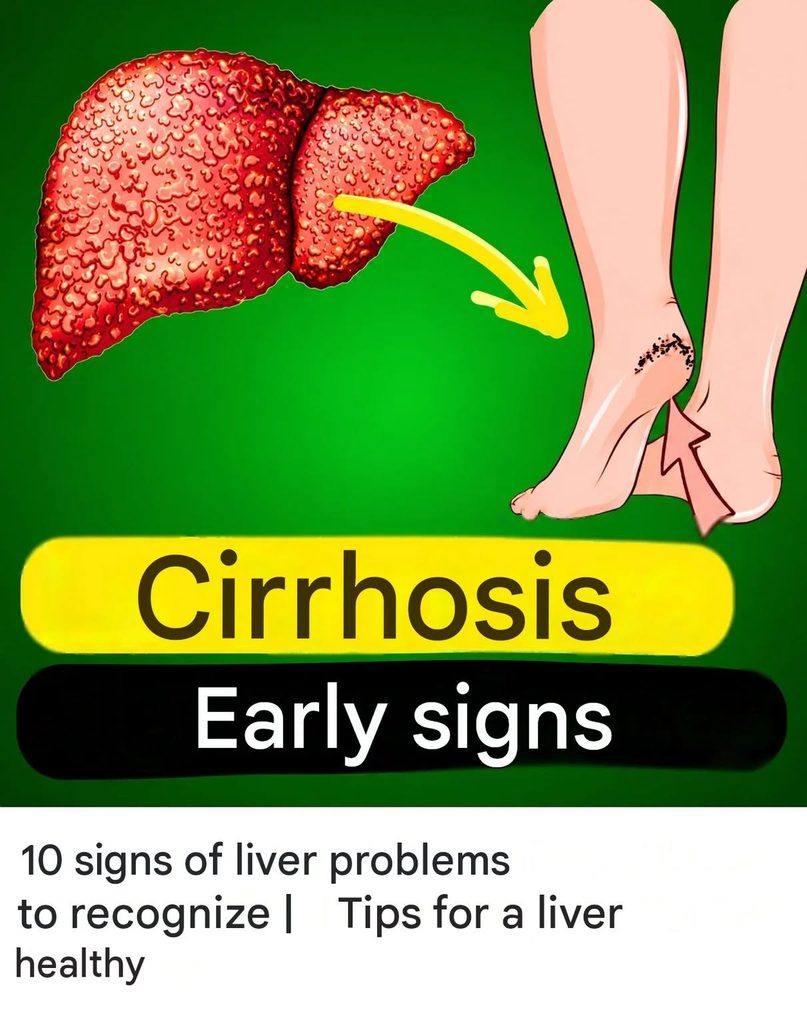
Your liver is one of the hardest-working organs in your body. It helps process nutrients, breaks down medications and harmful substances, produces bile for digestion, and makes proteins that support blood clotting.
But liver problems can develop quietly. Some conditions, including fatty liver disease and chronic hepatitis, may cause few noticeable symptoms in their early stages. That is why recognizing potential warning signs—and understanding how to protect your liver—is so important.
Although certain symptoms can be associated with liver disease, no single symptom can confirm that your liver is damaged. Many of these signs have other possible causes and require proper medical evaluation.
Here are 10 signs to recognize, along with practical steps you can take to support liver health.
1. Yellowing of the Skin or Eyes
One of the best-known signs of a possible liver or bile duct problem is jaundice, which causes the skin or whites of the eyes to turn yellow.
Jaundice occurs when bilirubin, a yellow substance produced during the normal breakdown of red blood cells, builds up in the body.
This can happen when the liver cannot process bilirubin properly or when bile flow is obstructed. Conditions associated with jaundice include hepatitis, certain types of liver damage, and bile duct obstruction. Other conditions can also cause elevated bilirubin.
What to do: Seek urgent medical assessment if you notice new yellowing of your eyes or skin. Do not assume it is simply a temporary digestive problem.
2. Dark Urine
Urine that becomes unusually dark, resembling tea or cola, can sometimes indicate a liver or bile flow problem. Bilirubin may enter the urine when its levels rise in the bloodstream.
However, dark urine can also result from dehydration, certain medications, foods, or other medical conditions.
Pay particular attention if dark urine appears alongside pale stools, yellowing of the eyes, itching, or abdominal discomfort.
What to do: If your urine remains unusually dark despite adequate hydration, or if it occurs with other possible liver symptoms, contact a healthcare professional. Dark urine accompanied by jaundice deserves urgent evaluation.
3. Pale or Clay-Colored Stools
Normal stool gets much of its brown color from substances produced during bile processing. If bile cannot reach the intestines normally, stools may become unusually pale, gray, or clay-colored.
Possible causes include blockage of the bile ducts and certain liver or pancreatic conditions.
A single change in stool color does not necessarily indicate liver disease, but persistently pale stools should not be ignored.
What to do: Arrange a medical evaluation if pale stools continue, particularly if you also have dark urine, itching, or yellowing of the skin or eyes.
4. Persistent Fatigue and Weakness
Feeling tired occasionally is normal. Persistent, unexplained fatigue, however, can occur in people with liver disease.
Chronic liver conditions may affect metabolism and the body’s ability to function normally. Fatigue can also be associated with inflammation, poor sleep, anemia, thyroid problems, infections, and many other conditions.
Because fatigue is so common, it is not a reliable way to identify liver disease on its own.
What to do: If exhaustion continues despite adequate rest, interferes with daily activities, or appears with other symptoms, speak with a healthcare professional. They can determine whether blood tests or other investigations are appropriate.
5. Pain or Discomfort in the Upper Right Abdomen
The liver sits primarily in the upper-right part of the abdomen, beneath the ribs.
Some liver conditions can cause discomfort in this area, particularly when the liver becomes enlarged or its surrounding tissue is stretched. However, pain in the same region may also come from the gallbladder, digestive system, muscles, or other organs.
Importantly, many people with chronic liver disease have no liver-area pain at all.
What to do: Seek medical advice for persistent or unexplained upper-right abdominal discomfort. Severe or sudden abdominal pain, especially with fever, vomiting, faintness, or jaundice, requires urgent assessment.
6. Swelling in the Abdomen or Legs
Advanced liver disease can sometimes cause fluid to accumulate in the abdomen, a condition known as ascites. Fluid may also collect in the legs and ankles, causing swelling called edema.
These problems can occur when liver dysfunction affects pressure in blood vessels and the body’s handling of salt, water, and proteins.
However, swollen legs or a swollen abdomen can also be associated with heart disease, kidney disease, circulation problems, and other conditions.
What to do: Arrange prompt medical evaluation for new or unexplained swelling. If abdominal swelling occurs with difficulty breathing, confusion, fever, or severe pain, seek emergency care.
Avoid trying to treat unexplained swelling with diuretics, supplements, or extreme fluid restriction without medical guidance.
7. Persistent Itching Without an Obvious Rash
Some liver and bile duct conditions can cause widespread itching, sometimes without a visible rash.
This may occur when substances associated with impaired bile flow accumulate in the body. The itching can affect the arms, legs, palms, soles, or other areas and may interfere with sleep.
Nevertheless, most itching has other possible explanations, including dry skin, allergies, medication reactions, and dermatological conditions.
What to do: If itching is persistent, widespread, unexplained, or accompanied by jaundice or dark urine, seek medical advice. A clinician can determine whether liver tests or other investigations are needed.
8. Easy Bruising or Unusual Bleeding
The liver produces several proteins that help blood clot. When liver function becomes significantly impaired, the body may have difficulty producing enough of certain clotting factors.
As a result, some people with advanced liver disease may bruise easily or experience unusual bleeding.
However, bruising can also be caused by injuries, medications such as anticoagulants, nutritional deficiencies, and blood disorders.
What to do: Seek medical evaluation if you develop frequent unexplained bruises, recurrent nosebleeds, or unusual bleeding. Vomiting blood, passing black tarry stools, or experiencing heavy bleeding requires emergency medical attention.
9. Loss of Appetite, Nausea, or Unexplained Weight Loss
Some people with liver disease experience reduced appetite, nausea, a feeling of fullness, or unintended weight loss.
These symptoms can occur when illness affects digestion, metabolism, or general well-being. They may be more noticeable in advanced disease.
But appetite changes and weight loss are not specific to liver problems. They can also result from digestive disorders, infections, medication side effects, hormonal conditions, and other illnesses.
What to do: Consult a healthcare professional if you have persistent nausea, a sustained loss of appetite, or unexplained weight loss. Seek urgent care if you cannot keep fluids down or develop severe abdominal pain or confusion.
10. Confusion, Unusual Sleepiness, or Difficulty Concentrating
In advanced liver disease, the liver may become less able to remove certain substances from the bloodstream. These substances can affect brain function, leading to a condition called hepatic encephalopathy.
Possible symptoms include difficulty concentrating, changes in sleep patterns, confusion, unusual behavior, hand tremors, and excessive sleepiness.
These symptoms are particularly important because they may indicate a serious complication. Confusion can also result from infections, low blood sugar, stroke, medication effects, and other emergencies.
What to do: New confusion, marked drowsiness, or a sudden change in behavior requires immediate medical assessment, particularly in someone with known liver disease. Do not wait for additional symptoms to develop.
When Should You Seek Emergency Medical Help?
Some liver-related warning signs require immediate attention.
Seek emergency care if you experience:
- Vomiting blood or passing black, tarry stools.
- New confusion, difficulty staying awake, or reduced consciousness.
- Severe abdominal pain, particularly with fever or jaundice.
- Rapidly worsening abdominal swelling with breathing difficulty.
- Heavy or uncontrolled bleeding.
New jaundice also needs urgent medical assessment, even if you otherwise feel well.
Remember that liver disease can be present without obvious symptoms. If you have risk factors such as chronic viral hepatitis, significant alcohol exposure, obesity, type 2 diabetes, or certain medication exposures, ask a healthcare professional whether screening or liver blood tests are appropriate.
7 Practical Ways to Support a Healthy Liver
The good news is that several everyday habits can reduce the risk of some liver diseases and help protect your long-term health.
1. Limit or Avoid Alcohol
Alcohol can damage liver cells, and long-term heavy drinking increases the risk of inflammation, scarring, and cirrhosis.
The safest choice for people with alcohol-related liver disease is to avoid alcohol. If you have a liver condition, ask your healthcare professional whether complete abstinence is necessary.
Reducing alcohol intake can lower risk, but it does not guarantee that existing liver damage will reverse.
2. Maintain a Healthy Weight
Excess body fat, particularly around the abdomen, is associated with metabolic dysfunction-associated steatotic liver disease (MASLD), a condition in which fat accumulates in the liver.
Gradual, sustainable weight loss when m