
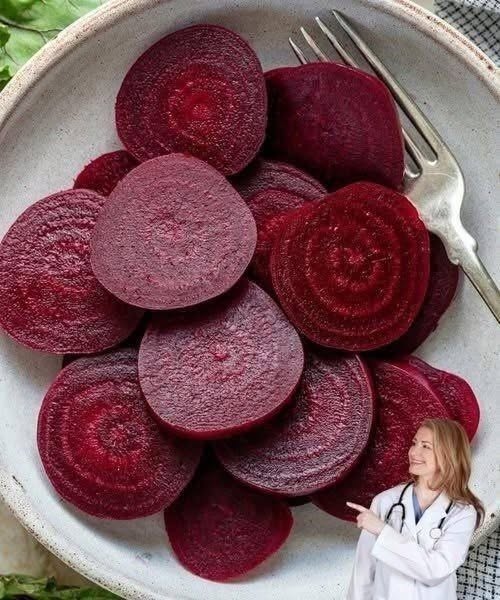
Beetroot may look like an ordinary root vegetable, but its impressive nutritional profile makes it a valuable addition to a balanced diet. Rich in dietary nitrates, fiber, folate, and colorful plant compounds called betalains, beets may support healthy blood pressure, exercise performance, digestion, and overall well-being.
But what actually happens to your body when you eat beets regularly? And are the benefits as remarkable as some health headlines suggest?
Here is what nutrition research tells us about this vibrant vegetable, including its potential benefits, possible side effects, and the best ways to enjoy it.
1. Your Blood Pressure May Improve
One of the most studied benefits of beetroot is its potential effect on blood pressure.
Beets contain natural nitrates. After you eat them, your body can convert these nitrates into nitric oxide, a molecule that helps blood vessels relax and widen. This process may improve blood flow and help lower blood pressure in some people.
Research suggests that beetroot juice can produce modest reductions in blood pressure, particularly systolic blood pressure, which measures the pressure in your arteries when your heart beats.
However, the effect varies from person to person, and beetroot is not a replacement for prescribed blood pressure medication.
What you can do: Add cooked beetroot to salads, enjoy it roasted as a side dish, or drink a moderate serving of beetroot juice as part of an overall heart-healthy diet.
2. You May Notice Better Exercise Performance
Beetroot has attracted attention among athletes and fitness enthusiasts because of its nitrate content.
Nitric oxide helps regulate blood flow and may make muscles use oxygen more efficiently during certain types of exercise. Some studies have found that beetroot juice can improve endurance or reduce the amount of effort people feel during physical activity.
The benefits are not guaranteed, though. Results differ according to fitness level, exercise type, dosage, and individual response.
What you can do: If you exercise regularly, consider adding beetroot to your meals. Beetroot juice has been studied in sports nutrition, but ordinary beetroot can also contribute useful nutrients to your diet.
3. Your Digestion May Become More Regular
Beetroot contains dietary fiber, which supports healthy digestion and helps maintain regular bowel movements.
Fiber adds bulk to stool and can help prevent constipation when consumed alongside enough fluids. A diet that includes a variety of fiber-rich vegetables, fruits, legumes, and whole grains also supports a healthy gut environment.
Beets alone will not solve every digestive problem, but they can contribute to a more balanced eating pattern.
What you can do: Eat whole beetroot rather than relying exclusively on juice. Juicing removes much of the vegetable’s fiber, especially when the pulp is discarded.
If you are increasing your fiber intake, do so gradually to reduce the chance of gas or bloating.
4. Your Body Gets Important Vitamins and Minerals
Beetroot supplies several nutrients that help your body perform essential functions.
Among them is folate, also known as vitamin B9, which is needed for DNA production and normal cell division. Folate is especially important during pregnancy because adequate intake helps reduce the risk of certain neural tube defects.
Beets also provide potassium, which supports normal muscle function, nerve signaling, and fluid balance.
Although beetroot contains some iron, it should not be considered a reliable treatment for iron-deficiency anemia. If you have symptoms such as persistent fatigue, weakness, or shortness of breath, speak with a healthcare professional about appropriate testing.
What you can do: Combine beetroot with other nutrient-rich foods, including leafy greens, beans, lentils, whole grains, and fruit, to improve the variety of nutrients in your diet.
5. You Benefit From Antioxidant Plant Compounds
Beetroot gets its deep red or purple color from natural pigments called betalains.
These compounds have antioxidant activity in laboratory studies and may help protect cells from oxidative damage. Beets also contain other plant compounds that researchers are investigating for thei