
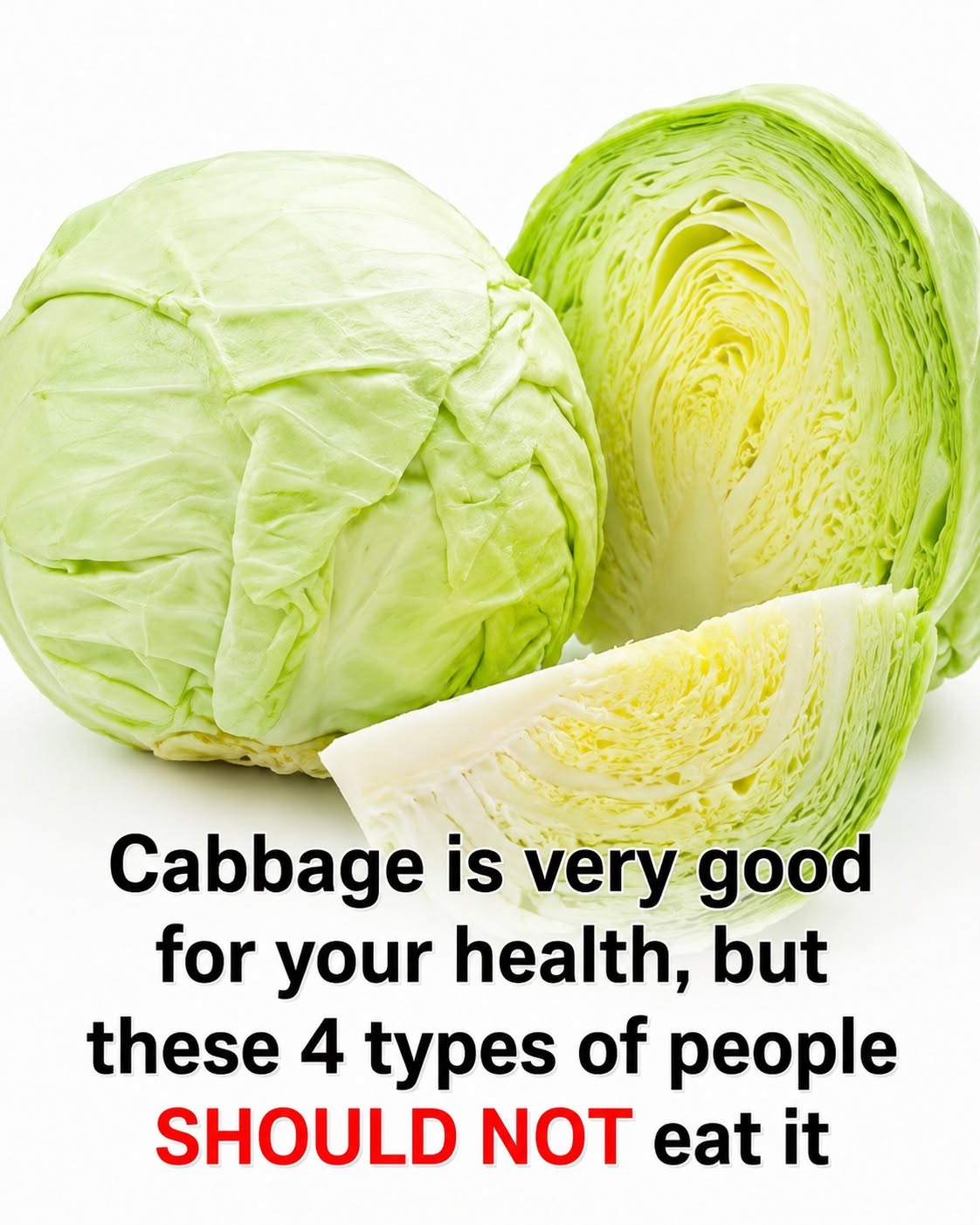

Cabbage is an affordable, nutrient-rich vegetable that provides fiber, vitamin C, vitamin K, and other beneficial plant compounds. It can be a healthy addition to many diets, whether eaten raw, steamed, boiled, or fermented.
However, cabbage may not agree with everyone. For some people, it can worsen digestive discomfort, and in certain medical situations, the amount eaten or the way it is prepared may need to be considered carefully.
Most people do not need to avoid cabbage completely. Here are four groups who may benefit from taking extra care when eating it.
1. People Who Experience Gas, Bloating, or Irritable Bowel Syndrome
Cabbage contains fermentable carbohydrates and fiber that can produce gas as intestinal bacteria break them down. For people with irritable bowel syndrome (IBS) or sensitive digestion, this may trigger bloating, abdominal discomfort, or changes in bowel habits.
Symptoms can vary depending on the person, the type of cabbage, and the portion consumed.
What can help?
- Start with a small portion rather than eating a large serving.
- Try cooked cabbage, which some people find easier to tolerate than raw cabbage.
- Eat slowly and notice whether particular preparations trigger symptoms.
- If you have IBS, ask a dietitian whether a temporary, structured low-FODMAP approach is appropriate for you.
You may not need to eliminate cabbage entirely. Finding a portion and preparation that suits your digestive system may be enough.
2. People Taking Warfarin
Cabbage, particularly green cabbage, contains vitamin K, a nutrient involved in blood clotting. Warfarin is a medication that works by interfering with vitamin K-dependent clotting processes.
Eating cabbage is generally not prohibited for people taking warfarin. The important point is to keep vitamin K intake reasonably consistent from day to day, because major changes in the amount of vitamin K consumed can affect how warfarin works.
What should you do?
- Do not suddenly begin eating very large quantities of cabbage or other vitamin K-rich vegetables.
- Do not eliminate these vegetables without discussing the change with your healthcare professional.
- Tell your healthcare team about significant dietary changes and continue recommended INR monitoring.
Other anticoagulants, such as apixaban and rivaroxaban, do not have the same vitamin K interaction as warfarin, although medication-specific advice is still important.
3. People With Hypothyroidism or Iodine Deficiency Concerns
Cabbage belongs to the cruciferous vegetable family, along with broccoli, cauliflower, and kale. These vegetables contain natural compounds that can interfere with thyroid hormone production under certain circumstances.
However, the risk from ordinary portions of cabbage is generally low for people who consume adequate iodine. Eating cabbage as part of a varied diet is not usually a problem for people with a healthy thyroid or those being treated for hypothyroidism.
Concern is more relevant when someone has an iodine deficiency and consumes extremely large amounts of raw cruciferous vegetables over time.
How can you eat cabbage more safely?
- Enjoy normal food portions rather than consuming unusually large quantities every day.
- Consider cooking cabbage, which reduces some of the compounds involved.
- Follow medical advice if you have a diagnosed thyroid condition or an iodine deficiency.
- Do not take iodine supplements unless a healthcare professional recommends them; excessive iodine can also harm thyroid function.
There is no general need for everyone with hypothyroidism to avoid cabbage.
4. People Who Have Difficulty Digesting Certain High-Fiber Foods
Cabbage provides dietary fiber, which helps support normal bowel function. But suddenly increasing fiber intake can cause gas, bloating, or abdominal discomfort, particularly in people who are not accustomed to eating many high-fiber foods.
People with certain digestive conditions may also need individualized dietary guidance. For example, someone recovering from bowel surgery or following a medically prescribed low-fiber diet may need to limit cabbage temporarily.
What can help?
- Increase fiber intake gradually.
- Cook cabbage until tender if that makes it easier to tolerate.
- Use smaller portions and monitor symptoms.
- Follow your clinician’s instructions if you have been prescribed a special diet.
Important: If you have severe abdominal pain, vomiting, marked abdominal swelling, or an inability to pass stool or gas, do not try to treat the problem by eating more fiber. Seek urgent medical care, as these symptoms can indicate a serious condition.
Is Cooked Cabbage Healthier Than Raw Cabbage?
Both raw and cooked cabbage can be nutritious.
Raw cabbage may retain more of certain heat-sensitive nutrients, including some vitamin C. Cooking softens the vegetable and may make it more comfortable for some people to digest. The exact nutrient differences depend on the cooking method and duration.
Steaming or briefly cooking cabbage can be a good option. Boiling it for a long time may cause more water-soluble nutrients to leach into the cooking water.
If you enjoy cabbage, choose the preparation that best suits your taste, digestion, and dietary needs.
What Are the Health Benefits of Cabbage?
For most people, cabbage offers several nutritional benefits:
- Vitamin C: Supports normal immune function, collagen production, and wound healing.
- Vitamin K: Helps the body with normal blood clotting and supports bone health.
- Fiber: Supports digestive health and regular bowel movements.
- Plant compounds: Cabbage contains glucosinolates and other compounds being studied for their potential health effects.
- Low energy density: Cabbage provides relatively few calories per serving, making it a useful component of balanced meals.
Cabbage is nutritious, but it is not a cure for disease. A varied diet is more beneficial than relying on a single vegetable.
The Bottom Line
Cabbage is safe and healthy for most people. Those who experience IBS-related symptoms, take warfarin, have particular thyroid or iodine concerns, or need a medically prescribed low-fiber diet may need to adjust their portions or preparation.
In most cases, you do not need to avoid cabbage completely. Eating reasonable portions, preparing it in a way you tolerate, and following individualized medical advice are practical ways to enjoy its nutritional benefits.
Medical disclaimer: This article is for educational purposes only and is not a substitute for professional medical advice, diagnosis, or treatment.
Trusted References
- National Institutes of Health, Office of Dietary Supplements: Vitamin K — Fact Sheet for Consumers
- National Institute of Diabetes and Digestive and Kidney Diseases: Eating, Diet, & Nutrition for Irritable Bowel Syndrome
- National Institutes of Health, Office of Dietary Supplements: Iodine — Fact Sheet for Consumers