
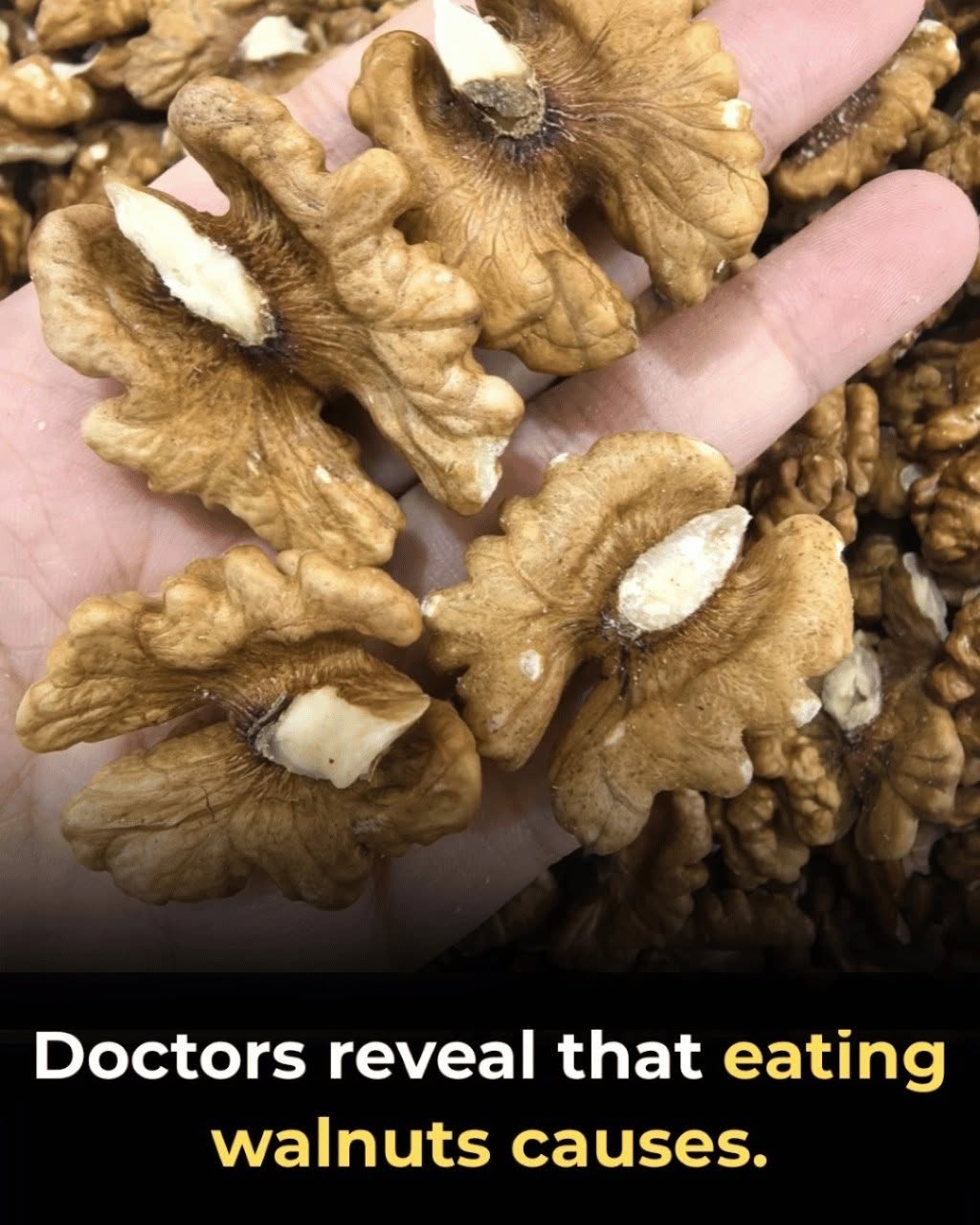

What if a small handful of walnuts each day could become one of the simplest ways to improve your eating habits? These wrinkled, crunchy nuts are packed with nutrients, including healthy fats, plant-based protein, fiber, vitamins, and minerals.
Walnuts are especially known for containing alpha-linolenic acid (ALA), a plant-based omega-3 fatty acid associated with heart health. Research suggests that eating walnuts regularly as part of a balanced diet may support cardiovascular health and provide other nutritional benefits.
But what actually happens when you eat walnuts every day? Can they improve your cholesterol, help your brain, or support healthy aging?
Here are eight potential benefits, along with a few important precautions.
1. You May Support Your Heart Health
One of the best-studied benefits of walnuts is their potential to support cardiovascular health.
Walnuts contain polyunsaturated fats, including ALA omega-3 fatty acids. Replacing foods high in saturated fat with nuts and other sources of unsaturated fats can help improve blood cholesterol levels.
Regular walnut consumption has been associated with improvements in certain cardiovascular risk factors, including LDL cholesterol, often called “bad” cholesterol.
However, walnuts are not a treatment for heart disease, and eating them alone cannot guarantee protection against heart attacks or strokes. Their benefits are most meaningful as part of an overall heart-healthy lifestyle.
A simple tip: Try replacing some processed snacks with a small serving of unsalted walnuts.
2. You Provide Your Brain With Important Nutrients
Walnuts are often promoted as a brain food, partly because their shape resembles a human brain. Their nutritional value, rather than their appearance, is what matters.
They provide ALA omega-3 fats, polyphenols, vitamin E, and other compounds involved in normal body functions. Researchers are studying whether these nutrients may help protect cells from oxidative stress and support healthy brain aging.
Some studies have found associations between walnut consumption and aspects of cognitive health, but the evidence is not strong enough to conclude that eating walnuts prevents dementia or reliably improves memory.
The takeaway: Walnuts can be part of a nutritious diet that supports overall health, but they are not a cure or guaranteed way to prevent cognitive decline.
3. They May Help You Feel Full for Longer
If you often feel hungry shortly after eating, walnuts may be a useful addition to your meals.
They contain a combination of fat, protein, and fiber, which can help make meals and snacks more satisfying. Including walnuts in a balanced breakfast or snack may help you feel fuller and make it easier to manage your eating habits.
For example, you could add chopped walnuts to oatmeal, plain yogurt, or a bowl of fruit.
However, walnuts are energy-dense. Eating large amounts can add substantial calories to your daily intake, so portion size still matters if you are trying to manage your weight.
4. They May Support Healthy Blood Sugar Management
Walnuts contain very little digestible carbohydrate compared with many snack foods. Their fats, protein, and fiber can also contribute to a balanced eating pattern.
Research on nuts suggests that including them regularly in a healthy diet may be compatible with good blood sugar management. Replacing refined-carbohydrate snacks with walnuts may be particularly useful for some people.
Nevertheless, walnuts do not directly cure diabetes or guarantee lower blood glucose levels. Overall food choices, physical activity, medication when prescribed, sleep, and other factors remain important.
If you have diabetes, walnuts can often fit into your meal plan, but your individual needs and portion sizes may vary.
5. You Get More Fiber for Digestive Health
Walnuts provide dietary fiber, which contributes to normal digestion and bowel function.
Fiber supports regular bowel movements and helps nourish beneficial bacteria in the digestive tract. Eating a variety of fiber-containing foods, including nuts, vegetables, fruits, legumes, and whole grains, can help support a healthy digestive system.
Walnuts alone are not a complete solution for constipation or other digestive problems. If you increase your fiber intake, do so gradually and drink enough fluids.
People with certain digestive conditions may need to adjust their intake according to their symptoms and medical advice.
6. They Supply Antioxidants and Essential Nutrients
Walnuts contain several nutrients and plant compounds that help the body function normally.
These include:
- Copper: Supports normal energy production and connective-tissue maintenance.
- Manganese: Helps support metabolism and antioxidant enzyme activity.
- Magnesium: Contributes to normal muscle and nerve function.
- Polyphenols: Plant compounds studied for their antioxidant and other biological effects.
- Vitamin E: Helps protect cells from oxidative damage, although walnuts are not among the richest dietary sources of this vitamin.
Antioxidants help protect cells from damage caused by unstable molecules known as free radicals. However, laboratory findings do not automatically mean that a food prevents a specific disease in humans.
Walnuts are best viewed as one nutritious component of a varied diet rather than a substitute for other fruits, vegetables, and whole foods.
7. They May Help Improve Overall Diet Quality
Eating walnuts regularly can make it easier to replace less nutritious snacks with foods that provide beneficial fats, protein, fiber, and minerals.
For instance, instead of reaching for a highly processed snack, you could combine walnuts with fresh fruit or plain yogurt.
This simple substitution may improve the nutritional quality of your overall diet, especially if walnuts replace foods high in added sugar or saturated fat.
The key is what you eat walnuts instead of. Adding large portions of walnuts on top of your usual intake may increase total calorie consumption without providing the same advantages as replacing less nutritious foods.
8. They Can Contribute to Healthy Aging
Healthy aging depends on many factors, including diet, exercise, sleep, social connection, and the management of chronic health conditions.
Walnuts supply nutrients and plant compounds that may contribute to a healthy dietary pattern. Research has examined their potential effects on cardiovascular health, inflammation-related markers, and cognitive function.
However, there is no convincing evidence that eating walnuts every day will independently extend your lifespan or prevent age-related diseases.
The strongest practical approach is to include walnuts as one part of a varied diet rich in vegetables, fruits, legumes, whole grains, and other nutritious foods.
How Many Walnuts Should You Eat Every Day?
For many adults, a serving of about 1 ounce (28 grams) is a reasonable starting point. This is roughly a small handful, or about 12–14 walnut halves, depending on their size.
One ounce of walnuts provides approximately:
- 185 calories.
- 4 grams of protein.
- 2 grams of fiber.
- 18 grams of fat, mostly unsaturated.
- A useful amount of plant-based omega-3 ALA.
Actual values vary slightly depending on the variety and serving size.
You do not need to eat walnuts every day to have a healthy diet. Other nuts and seeds can also provide valuable nutrients.
Easy Ways to Eat Walnuts
- Add chopped walnuts to oatmeal or overnight oats.
- Sprinkle them over plain yogurt and fresh fruit.
- Mix them into salads for extra crunch.
- Use ground walnuts in homemade sauces or baked dishes.
- Eat a small portion as a snack instead of sweets or highly processed foods.
Choose unsalted walnuts when possible, especially if you are trying to reduce your sodium intake.
Are There Any Risks to Eating Walnuts Every Day?
Walnuts are nutritious, but they are not suitable for everyone.
1. Nut allergies: Walnuts can trigger serious allergic reactions in people with tree-nut allergies. Avoid them if you are allergic, and seek emergency help for symptoms of anaphylaxis, such as difficulty breathing or swelling of the throat.
2. Extra calories: Walnuts are energy-dense. Large portions may contribute to excess calorie intake if they are added to your existing diet rather than replacing other foods.
3. Digestive discomfort: Eating a large quantity at once may cause bloating or discomfort in some people. Start with a modest portion if you are not accustomed to eating nuts.
4. Individual medical needs: People following a medically prescribed diet or managing certain health conditions may need individualized advice about portion sizes and food choices.
Final Thoughts
Eating walnuts regularly can be a simple way to add healthy fats, plant-based omega-3 ALA, fiber, protein, and important minerals to your diet.
Potential benefits include supporting healthy cholesterol levels, making meals more satisfying, contributing to digestive health, and improving the nutritional quality of your everyday eating habits.
But walnuts are not a miracle food. They cannot guarantee weight loss, prevent dementia, or replace medical treatment. Their greatest value comes from eating an appropriate portion as part of a balanced lifestyle.
Start small, enjoy them in different meals, and focus on your overall eating pattern rather than relying on a single food for better health.
Medical Disclaimer: This article is for general educational purposes only and is not a substitute for professional medical advice, diagnosis, or treatment. If you have a nut allergy or specific dietary concerns, consult a qualified healthcare professional.