
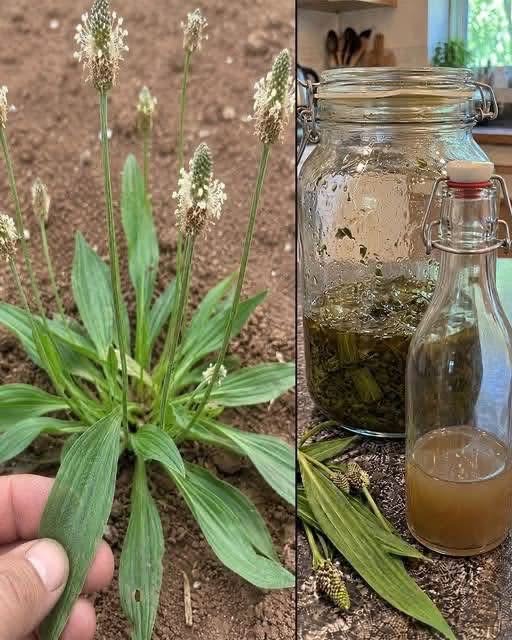
Have you ever looked at an ordinary plant growing in a garden, along a roadside, or in a pot and wondered whether its leaves might be more useful than they appear? Some plants have leaves that have been used for generations in cooking, traditional remedies, gardening, and everyday household practices.
What looks like a simple green leaf may contain aromatic compounds, useful nutrients, or natural substances that have attracted scientific interest. However, the benefits depend entirely on the plant species, how the leaves are prepared, and how they are used.
So, why do some leaves receive so much attention, and how can you tell whether a particular plant is genuinely valuable?
1. Some Leaves Contain Valuable Nutrients
Leaves from edible plants can provide vitamins, minerals, fiber, and other naturally occurring compounds.
Depending on the species, leafy vegetables and herbs may contribute vitamin C, vitamin K, folate, carotenoids, and other nutrients to the diet.
Eating a variety of properly identified edible plants can help support a balanced diet. Nevertheless, not every plant leaf is safe to eat, and nutritional value varies considerably between species.
The important lesson: Never assume that a leaf is edible simply because it is green or because it resembles a familiar herb.
2. Certain Leaves Have a Long History in Traditional Medicine
Plants have been used in traditional healing practices across many cultures. Some leaves contain compounds that researchers study for their biological effects, while others are valued mainly for their flavor, aroma, or traditional uses.
Modern research has investigated plant-derived substances for a wide range of potential applications. However, evidence supporting one particular extract does not automatically prove that eating the whole leaf or preparing it as a home remedy will produce the same effect.
Traditional use can be an interesting starting point for research, but it is not proof that a remedy is effective or safe.
3. Their Natural Compounds May Interest Scientists
Leaves can contain polyphenols, flavonoids, essential oils, and other plant compounds. Depending on the species, these substances may show antioxidant or other biological activity in laboratory studies.
Scientists investigate these compounds to understand how they work and whether they have practical applications.
But laboratory findings do not necessarily translate into proven health benefits for people. The dose, preparation, absorption, and possible side effects all matter.
Be cautious of claims that a single leaf can cure diabetes, eliminate high blood pressure, treat cancer, or replace prescribed medication. Such claims require strong clinical evidence.
4. Some Leaves Are Surprisingly Useful Around the Home
Not every valuable plant has to be eaten or used medicinally.
Certain leaves are useful for flavoring food, adding fragrance, composting, mulching, or supporting wildlife. Other plants are grown because their leaves provide shade, ornamental beauty, or habitat for beneficial insects.
The practical value of a plant often depends on its species and the needs of the person growing it.
5. Correct Identification Is Essential
Before using an unfamiliar plant, identify it accurately. Some poisonous plants resemble edible herbs, and common names can refer to several different species.
To investigate a plant, look at:
- The shape and arrangement of its leaves.
- The edges of the leaves and the pattern of their veins.
- The stem, flowers, and fruit, if present.
- Its scent, without tasting or crushing it unnecessarily.
- Where it grows and the climate in which it is found.
A clear photograph of the entire plant, its leaves, and its stem can help with identification. For a plant you intend to eat or use medicinally, verify the identification through a reliable botanical source or qualified expert.
Do not taste an unknown plant or prepare it as a home remedy based on an online guess.
6. Natural Does Not Always Mean Safe
Plant compounds can interact with medications, cause allergic reactions, or be harmful at certain doses. Some plants are toxic, and even an ordinarily edible plant may be unsafe if contaminated with pesticides, pollutants, or animal waste.
If you take medication, are pregnant or breastfeeding, or have a chronic medical condition, consult a qualified healthcare professional before using an unfamiliar plant medicinally.
Never stop prescribed treatment in favor of a plant-based remedy without speaking to your healthcare provider.
Final Thoughts
Plant leaves can be valuable sources of food, flavor, useful materials, and scientifically interesting natural compounds.