

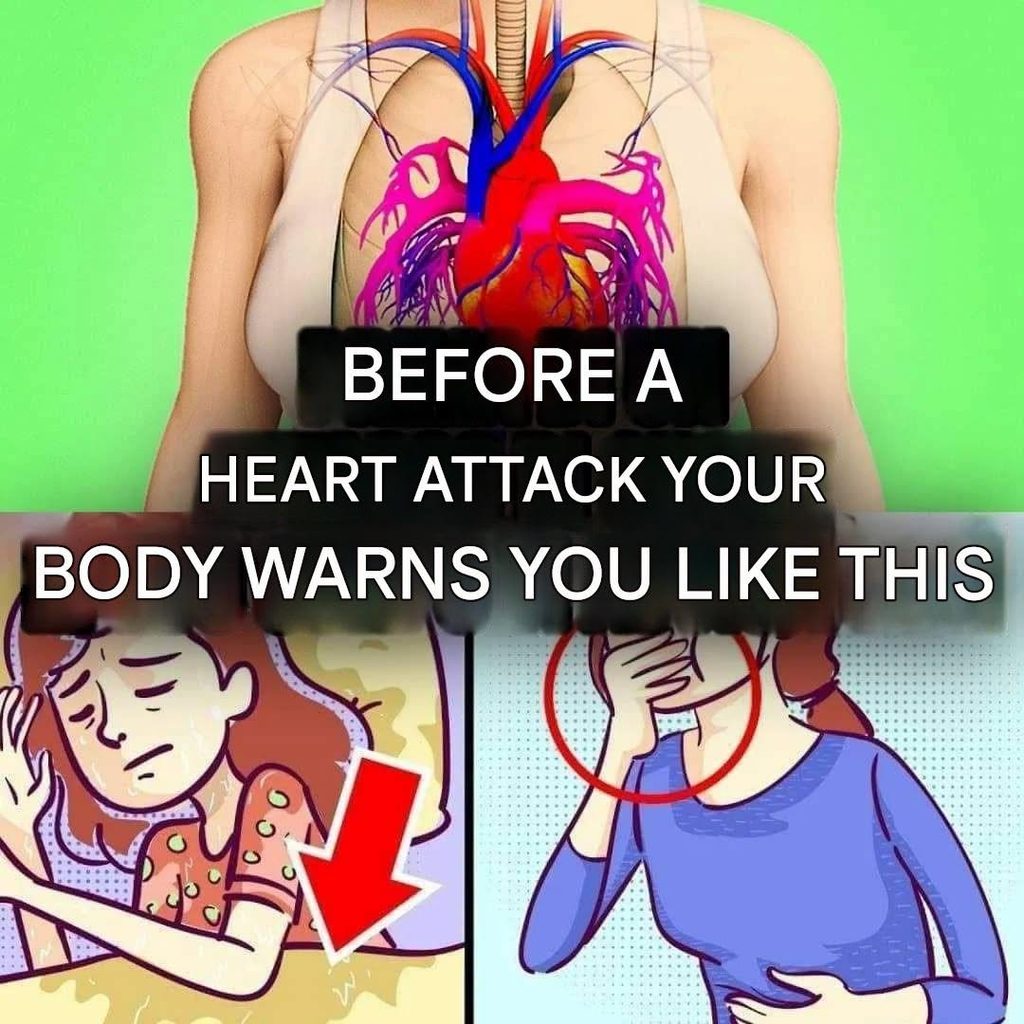
A heart attack can happen suddenly, but the warning signs are not always as dramatic as they appear in movies. Some people experience crushing chest pain, while others notice unusual fatigue, nausea, shortness of breath, or discomfort in the back or jaw.
Recognizing these symptoms could help you or someone you love get emergency medical care sooner. Although chest discomfort is the most common symptom, a heart attack can occur without severe chest pain.
Here are eight potential heart attack symptoms everyone should know.
1. Chest Pain, Pressure, or Tightness
Chest discomfort is one of the most common warning signs of a heart attack. It may feel like pressure, squeezing, fullness, heaviness, or an uncomfortable burning sensation in the center of the chest.
The discomfort may last several minutes, disappear, and then return. Some people describe it as feeling as though something heavy is pressing on their chest.
Not every episode of chest pain is a heart attack, but new or unexplained chest pressure should never be dismissed.
What to do: If you suspect a heart attack, call your local emergency number immediately. Do not wait to see whether the discomfort goes away.
2. Shortness of Breath
Feeling breathless without an obvious explanation can be another warning sign.
Shortness of breath may occur with chest discomfort or appear before it. You might feel unable to take a satisfying breath, become breathless during minimal activity, or struggle to breathe while resting.
Although many conditions can cause breathing difficulties, sudden or severe breathlessness can indicate a medical emergency.
Seek emergency help immediately if shortness of breath occurs alongside chest discomfort, cold sweating, nausea, faintness, or other possible heart attack symptoms.
3. Pain That Spreads to the Arm or Shoulder
Heart attack discomfort does not always stay in the chest. It can spread to one or both arms, the shoulders, or other parts of the upper body.
Some people experience aching, pressure, heaviness, or discomfort that travels from the chest into an arm. Others notice arm or shoulder discomfort without obvious chest pain.
Muscle strains and joint problems can cause similar symptoms, so arm pain alone does not confirm a heart attack. However, sudden, unexplained pain accompanied by other warning signs requires urgent attention.
4. Pain in the Jaw, Neck, or Back
Discomfort associated with a heart attack may spread to the jaw, neck, upper back, or between the shoulder blades.
These symptoms can be particularly easy to overlook because people may assume they are caused by dental problems, sleeping in an awkward position, or muscle tension.
Pay attention to discomfort that is new, unusual, persistent, or accompanied by breathlessness, sweating, nausea, or chest pressure.
Remember: A heart attack can present differently from person to person. Do not wait for every symptom to appear before seeking help.
5. Cold Sweating
Suddenly breaking out in a cold sweat without an obvious reason can be a warning sign of a heart attack.
Your skin may feel cool or clammy, and you may sweat heavily even when the room is not hot and you have not been exercising.
Cold sweating can also occur with other serious conditions. When it appears alongside chest discomfort, shortness of breath, nausea, or faintness, treat the situation as an emergency.
Do not assume that sweating is simply caused by stress or anxiety when other concerning symptoms are present.
6. Nausea, Vomiting, or Indigestion-Like Discomfort
Some people experiencing a heart attack feel nauseated, vomit, or experience discomfort resembling indigestion or heartburn.
You might notice pressure or discomfort in the upper abdomen, a feeling of fullness, or unexplained sickness. These symptoms may occur with or without prominent chest pain.
Digestive problems are common and are usually not heart attacks. However, sudden, unexplained indigestion-like discomfort combined with sweating, breathlessness, chest pressure, or pain in the arm, jaw, or back deserves emergency attention.
Do not rely on antacids to rule out a heart problem.
7. Unusual Fatigue or Sudden Weakness
Unusual tiredness can sometimes accompany a heart attack, particularly when it is new, unexplained, or significantly different from your normal energy level.
You may feel suddenly weak, exhausted by simple activities, or unable to do things that would usually be easy.
Some people, including women and older adults, may experience less typical combinations of symptoms. However, fatigue alone is common and does not necessarily indicate a heart problem.
If unusual weakness occurs with chest discomfort, breathlessness, cold sweating, nausea, or dizziness, seek emergency medical care.
8. Dizziness, Lightheadedness, or Fainting
A heart attack can interfere with the heart’s ability to pump blood effectively or trigger an abnormal heart rhythm. This may cause dizziness, lightheadedness, or fainting.
You might feel suddenly unsteady, as though you are about to pass out, or experience weakness together with other symptoms.
Dizziness has many possible causes, including dehydration and medication effects. Nevertheless, sudden fainting or severe lightheadedness accompanied by chest pain, breathlessness, or cold sweating is a medical emergency.
If someone collapses and is unresponsive or is not breathing normally, call emergency services and follow the dispatcher’s instructions. Begin CPR if appropriate and use an automated external defibrillator (AED) if one is available.
What Should You Do If You Suspect a Heart Attack?
Do not wait for symptoms to become severe. If you think you or someone else may be having a heart attack:
- Call emergency services immediately. In Morocco, you can call Civil Protection at 15; if you are elsewhere, use your local emergency number.
- Stop physical activity and rest in a comfortable position while waiting for help.
- Do not drive yourself to the hospital. An ambulance team can begin assessment and treatment and respond if your condition worsens.
- Follow the emergency dispatcher’s instructions. Ask before taking aspirin if you are unsure whether it is safe, particularly if you have allergies, bleeding risks, or take blood-thinning medication.
- Do not delay the call to take medication, search online, or wait for symptoms to disappear.
Quick treatment can reduce damage to the heart muscle and may be lifesaving.
Are Heart Attack Symptoms Different in Women?
Chest discomfort remains the most common heart attack symptom in women and men. However, some women may also experience shortness of breath, nausea, back or jaw discomfort, or unusual fatigue.
These symptoms are not exclusive to women, and not everyone experiences them. Both women and men can have subtle or less typical warning signs.
The most important lesson is to recognize a concerning combination of symptoms and seek emergency help promptly rather than assuming a heart attack always causes dramatic chest pain.
How Can You Lower Your Risk of a Heart Attack?
Not every heart attack can be prevented, but several steps can help reduce cardiovascular risk:
- Have your blood pressure, cholesterol, and blood sugar checked as recommended.
- Avoid smoking and seek support if you want to quit.
- Stay physically active according to your abilities and medical advice.
- Eat a balanced diet rich in vegetables, fruit, whole grains, and appropriate sources of protein.
- Take prescribed medicines as directed.
- Work with your healthcare professional to manage conditions such as high blood pressure, diabetes, and high cholesterol.
If you have a family history of early heart disease or other cardiovascular risk factors, discuss your personal prevention plan with a healthcare professional.
The Bottom Line
Chest pressure, shortness of breath, arm or shoulder pain, jaw or back discomfort, cold sweating, nausea, unusual fatigue, and dizziness can all occur during a heart attack.
These symptoms do not always mean a heart attack is happening, but some combinations can signal a life-threatening emergency. Call emergency services immediately if you suspect a heart attack—even if you are not certain and even if the chest pain is mild or absent.
Recognizing the warning signs and acting quickly can make a critical difference.
Medical disclaimer: This article is for educational purposes only and is not a substitute for professional medical advice, diagnosis, or treatment.
Trusted Sources
- American Heart Association: Warning Signs of a Heart Attack
- Centers for Disease Control and Prevention: About Heart Disease
- National Health Service: Heart Attack